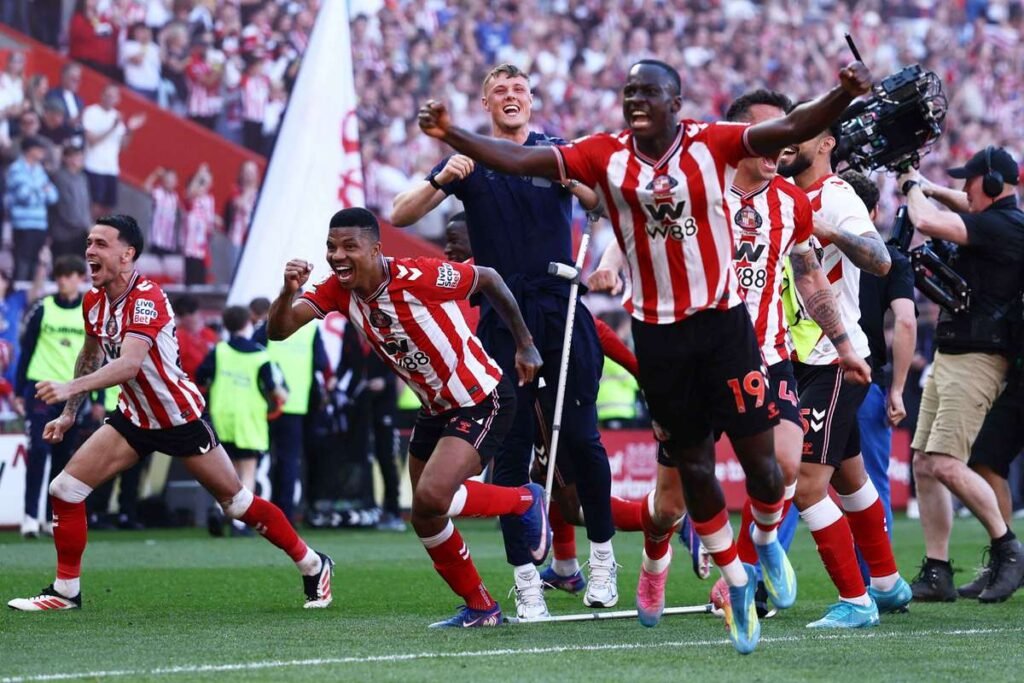
Sunderland clinched Europa League qualification for the 2026/27 season with a dramatic 2-1 final-day victory over Chelsea.
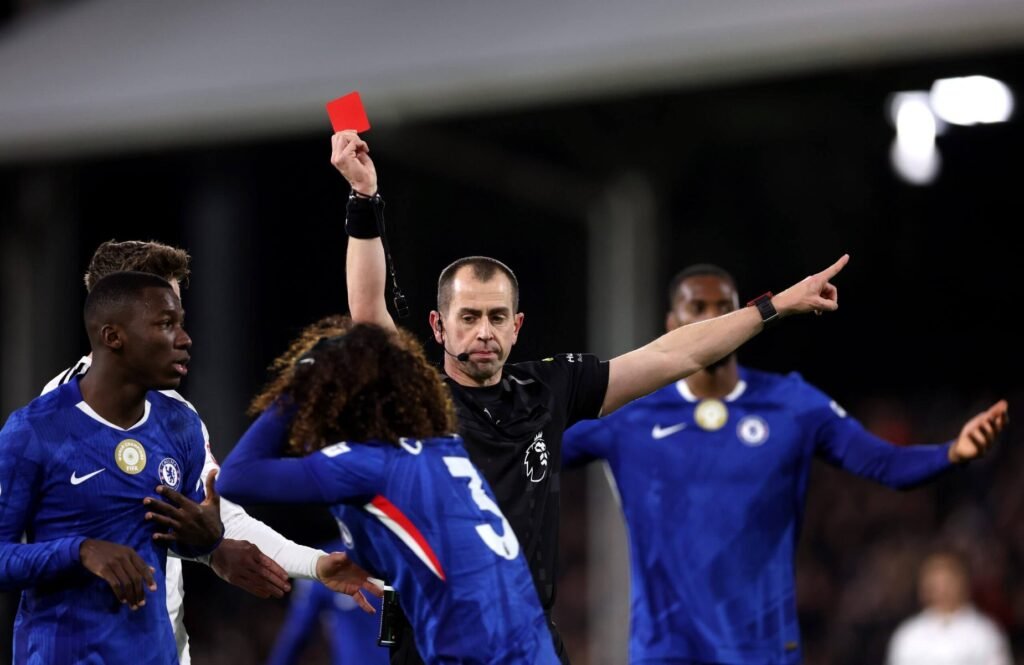
Trai Hume’s goal and Malo Gusto’s own goal proved decisive for the Black Cats, while Wesley Fofana’s red card further tilted the contest in Sunderland’s favour.
This result marked a historic return to European competition after more than five decades. Sunderland last qualified for and played European football in the 1973–74 UEFA Cup Winners’ Cup season (their only appearance until the latest qualification), after winning the 1973 FA Cup. They beat Vasas Budapest in the first round but were eliminated by Sporting CP in the second round.
Sunderland had earned promotion back to the Premier League by finishing fourth in the 2024/25 Championship and beating Sheffield United 2-1 in the play-off final at Wembley on 24 May 2025.
In their first season back under manager Régis Le Bris, Sunderland finished eighth in the 2025/26 Premier League with 54 points (14 wins, 12 draws, 12 losses). They last played in Europe during the 1973/74 UEFA Cup Winners’ Cup campaign, following their famous FA Cup triumph in 1973. Sunderland defeated Vasas Budapest in the first round before exiting to Sporting CP in the second.
Sunderland are joined by Brighton & Hove Albion, who also qualified for Conference League on the Premier League’s final day.
Despite losing 0-3 to Manchester United, Brighton secured the spot as other results, including West Ham and Chelsea’s failures to gain ground, confirmed their position.
Turbulent Campaign for Chelsea
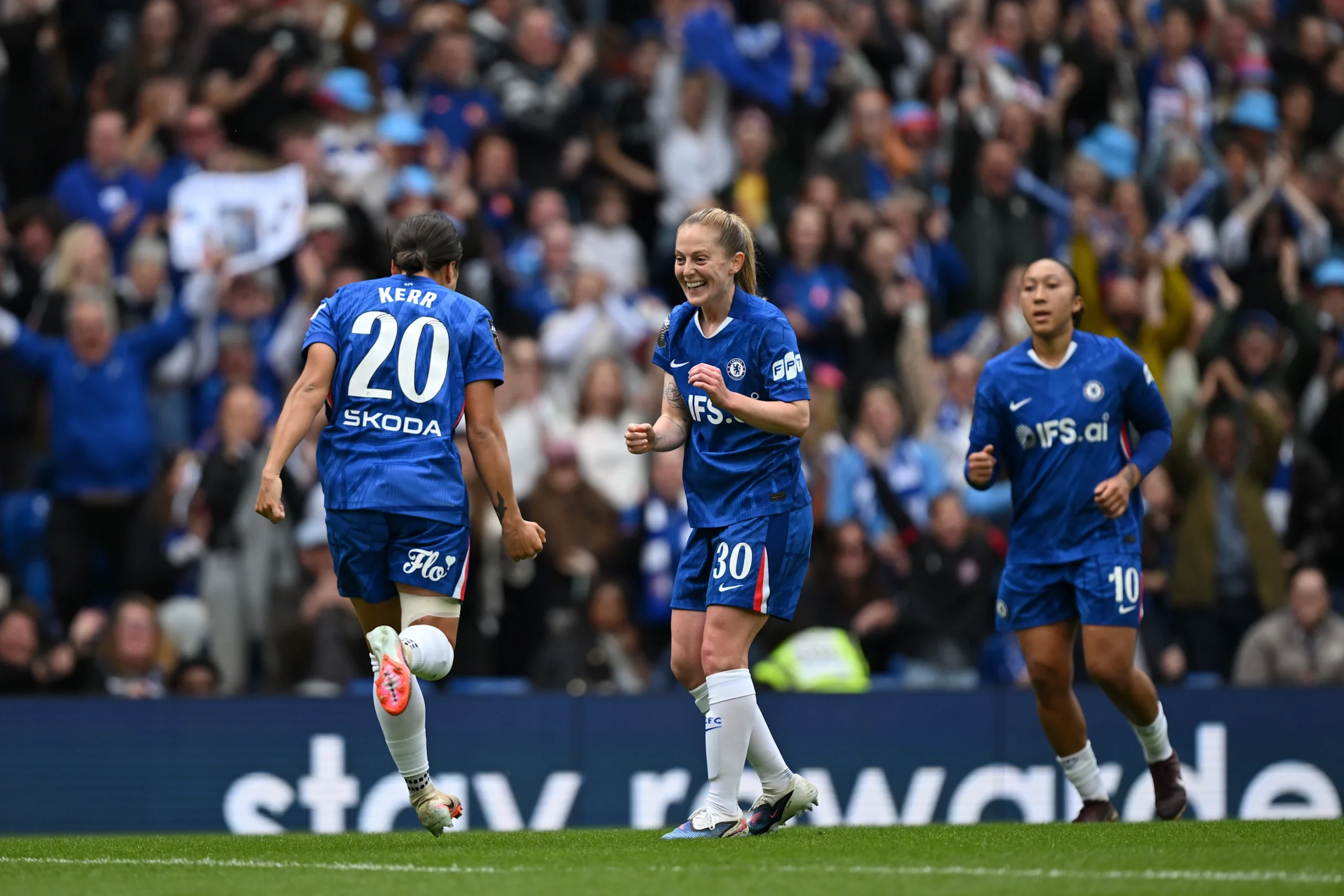
Chelsea, meanwhile, finished outside the European places altogether. Their campaign was plagued by inconsistency despite significant spending that once again failed to deliver consistent top-half results.
The Blues ended the season in 10th place with 52 points (14 wins, 10 draws, 14 losses), scoring 58 goals and conceding 52. It was the first time in over a decade they had missed out on European qualification entirely.
The season was turbulent, featuring managerial upheaval, patchy form, and serious disciplinary issues. Enzo Maresca was sacked early in 2026, followed by Liam Rosenior, with Calum McFarlane stepping in as interim. These frequent changes disrupted team chemistry and prevented any real cohesion or settled playing style.
Undisciplined Blues
Chelsea dropped too many points against weaker sides and struggled with inconsistent performances throughout the campaign. Discipline proved a major handicap: they received eight Premier League red cards — the highest in the division — and 12 across all competitions, a club record that involved several different players.
They also picked up 85 yellow cards, underlining one of the league’s most ill-disciplined campaigns. Those dismissals forced the team to play with ten men for hundreds of minutes, leading to dropped points, defensive fragility, and fatigue that ultimately cost them European football.
Talent Alone Is Not Enough
Looking ahead, Chelsea must focus on targeted summer recruitment that brings experience and depth, while fostering smarter decision-making on the pitch to reduce reckless challenges and cards. Building consistency will be essential if they are to push higher up the table next season.
Under new manager Xabi Alonso, who begins on 1 July 2026 on a four-year contract, the priorities must be squad stability, a clear tactical identity, and a dramatic improvement in discipline. Alonso is understood to have sought assurances over a significant say in transfers. It remains to be seen whether he can bring in the right players to restore Chelsea’s former glory. Past heavy spending, frequent managerial changes, and squad churn have so far failed to deliver, leaving fans desperate for stability in this new chapter.
Chelsea’s owners — the BlueCo consortium led by Todd Boehly and Behdad Eghbali — have faced growing criticism for prioritising a complex business and multi-club model over on-pitch stability and the everyday needs of supporters.
After completing their takeover from Roman Abramovich in 2022, Boehly and Eghbali initially raised hopes among fans by signing promising young talents. Yet those investments have yet to yield consistent positive results on the pitch. The young players have often looked leaderless, lacking the experience needed to grind out results against weaker clubs.
This season has underlined a clear truth: talent alone is not enough to compete at the highest level in the Premier League and secure European football or major honours. The sooner Chelsea address these issues, the better if they want to remain a relevant top club in Europe.